Urban Spaces Go Green
Across Europe and North America, city planners and community groups are quietly transforming underused streets, empty lots, and abandoned rooftops into vibrant green spaces. From small community gardens to urban forests and pocket parks, these projects rarely make front-page news but they are reshaping the way people live, work, and connect in their neighborhoods.
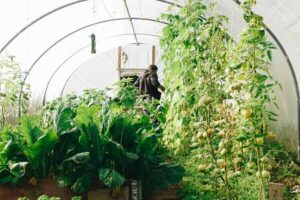
Studies show that access to green spaces improves mental health, reduces stress, and encourages physical activity. Children playing safely in parks, office workers taking lunchtime strolls, and neighbors gathering for small events all contribute to stronger social bonds. In some cities, community gardens have even become hubs for local food production, teaching sustainable practices and supporting food security.
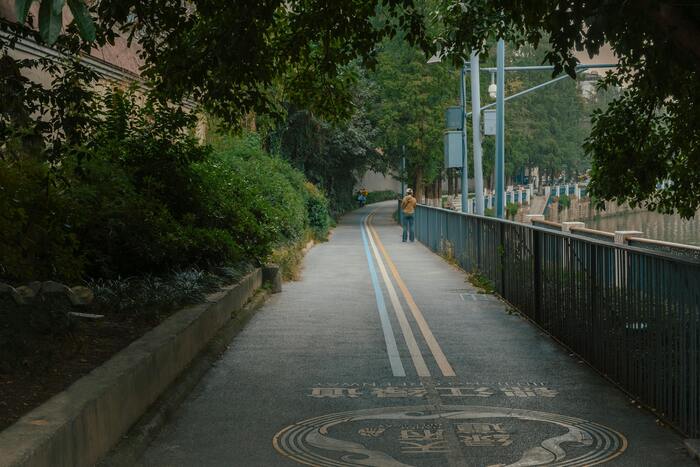
Local governments are taking notice. Green corridors are being integrated into city planning, rooftop gardens are incentivized, and pedestrian-friendly streets are slowly replacing concrete-heavy areas. Even small interventions, like planting trees along sidewalks or creating pocket parks in unused spaces, can significantly improve air quality and the quality of life for residents.
This quiet transformation is a reminder that sometimes the most important changes don’t happen in headlines, boardrooms, or political speeches they happen in the spaces we walk through every day, the parks we sit in, and the small acts of care and planning that make city life healthier, happier, and more connected.