The Subtle Art of Coffee Culture
Espresso and Etiquette
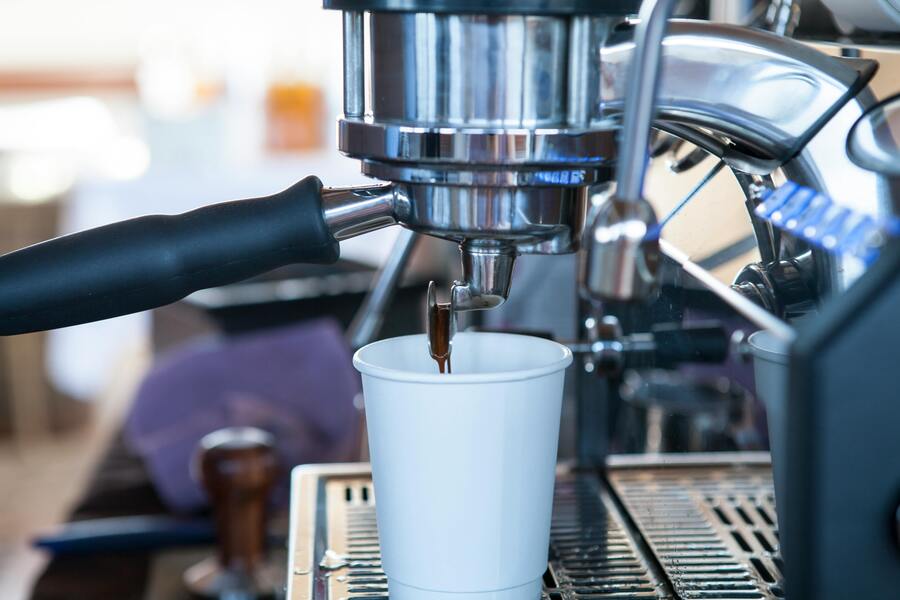
Coffee in Italy isn’t just a drink it’s a quiet ceremony. Espresso is short, strong, and taken standing at the bar, often in one smooth motion. Cappuccino, however, is reserved strictly for the morning. Ask for one after lunch, and you’re committing a social faux pas so subtle it’s almost invisible… until you feel the judgment.
Invisible Rules
No one will shout. No signs warn you. The barista will smile, make the drink perfectly, and silently question your life choices. Locals sip espresso after meals because it’s considered ideal for digestion and pacing the day. Milk-heavy drinks after lunch? Unthinkable. It’s an invisible rule enforced only by shared understanding and subtle facial expressions.
Tourist Lessons
Tourists learn quickly. Ordering a cappuccino in the afternoon results in amused smiles, polite nods, and gentle murmurs about “beginner mistakes.” The experience is humbling, funny, and oddly charming. You leave knowing the world has invisible rhythms you hadn’t noticed before and that coffee etiquette is a surprisingly complex art.
Nuance in Every Cup
Italy’s coffee culture is full of nuance. Hand gestures accompany orders. Everyone knows the difference between a macchiato, a lungo, and a ristretto, and these distinctions matter in a way words alone cannot convey. Order incorrectly, and you might accidentally signal confusion about life itself.
Lessons Beyond Coffee
The humor is subtle. Italians don’t lecture; they simply observe. Tourists leave a little wiser, a little humbler, and often with a newfound appreciation for espresso’s brevity and cappuccino’s morning-only glory. Ultimately, Italy teaches that cultural habits thrive not because they are enforced, but because they are felt, practiced, and respected. Ordering a cappuccino after lunch is harmless, but it’s a reminder that small details when done right can make life tastier, funnier, and full of stories worth telling.