Italy’s Coffee Culture: Why Cappuccino Is a Morning Drink
When we say Italy, coffee is more than just a drink it’s a cultural ritual with its own unwritten rules. One of the most famous traditions surprises many visitors: ordering a cappuccino after noon can make locals raise their eyebrows.
A Breakfast Tradition
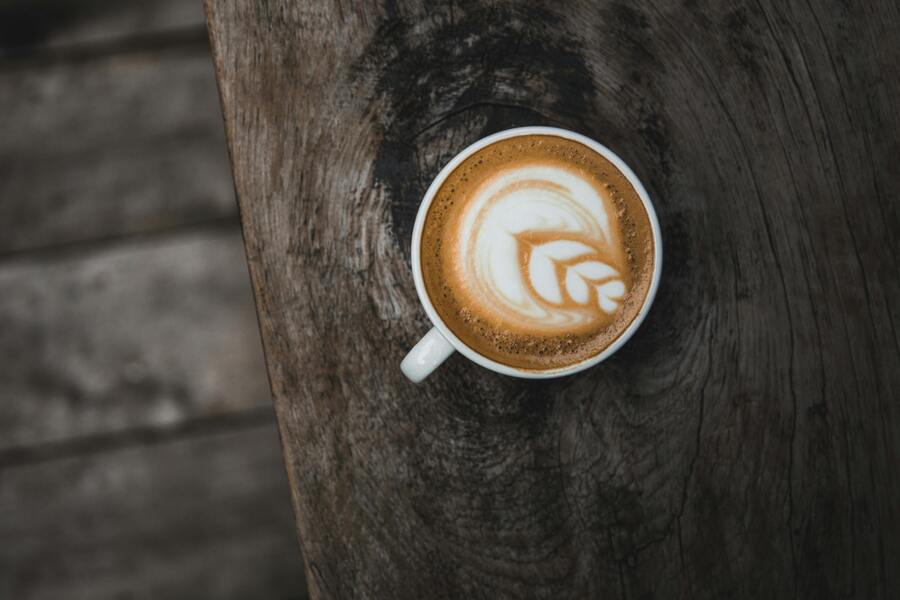
For Italians, a cappuccino is considered a breakfast drink. It’s usually enjoyed in the morning alongside a pastry, such as a croissant, while standing at the café bar. The drink contains a generous amount of milk and foam, which Italians believe is best suited for the start of the day.
The Switch to Espresso
Once lunchtime arrives, the rules change. Instead of milk-based coffee, most people switch to a quick and simple espresso. Italians often drink espresso after meals because it’s small, strong, and believed to help digestion. You’ll see locals step into a café, order an espresso, drink it in just a few sips, and continue with their day.
A Curious Look from Locals
Ordering a cappuccino in the afternoon isn’t illegal, of course. Cafés will still serve it, especially in tourist-heavy cities like Rome or Milan. However, locals may quietly wonder why someone wants a large milk-based coffee after a big meal.
Why the Rule Exists
The reason behind this custom is partly practical. Italians traditionally believe that drinking too much milk later in the day can feel heavy on the stomach, especially after lunch or dinner. Espresso, on the other hand, is light, quick, and strong enough to give a small energy boost.
A Small Tip for Travelers
For travelers, learning this small cultural detail can make the café experience feel more authentic. If you want to blend in with locals, enjoy your cappuccino in the morning and switch to espresso later in the day.
It’s a tiny rule in Italy’s rich coffee culture, but it shows how even the simplest habits can carry deep tradition.