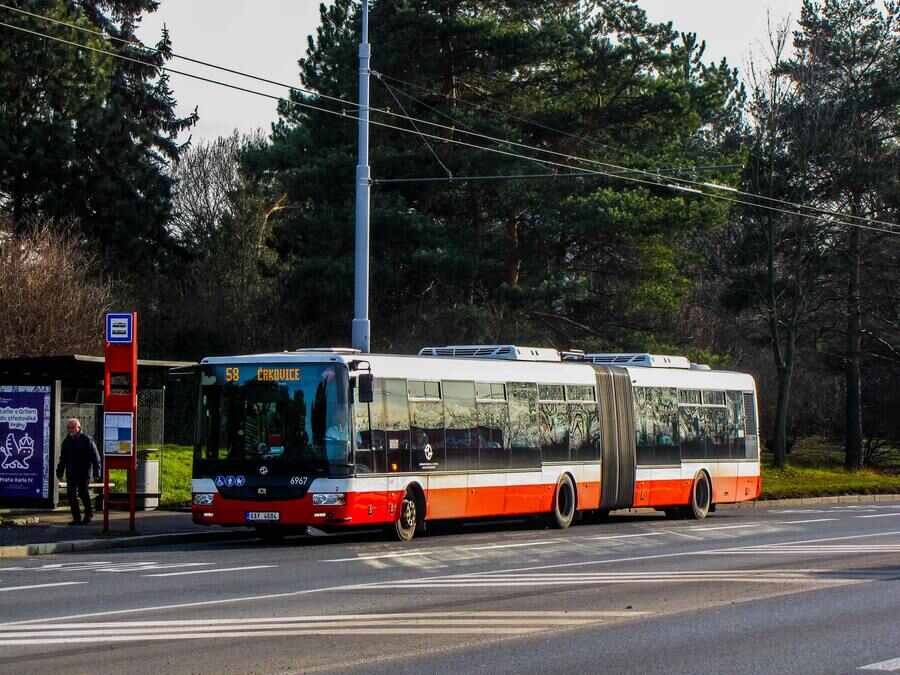
Sweden’s Cashless Transit: A Modern Commuting Revolution
Public Transport Without Cash
In Sweden, the shift toward a cashless society is visible in many aspects of daily life but nowhere is it more practical than in public transportation. Across numerous Swedish cities, buses, trams, and even some regional trains no longer accept cash payments at all. Instead, riders rely on mobile ticketing apps, contactless bank cards, or preloaded transit passes to access the system.
A Gradual Transition
This transition didn’t happen overnight. Sweden has been steadily reducing cash usage for years, with digital banking and mobile payments becoming the national norm. Public transport systems followed naturally, adopting electronic payment methods to streamline operations and modernize the rider experience.
Faster Boarding, Smoother Travel
One of the most noticeable benefits is faster boarding. Without the need for passengers to fumble for coins or wait for drivers to issue paper tickets, buses can load riders quickly and stay on schedule more reliably. During peak commuting hours, even small time savings per stop can significantly improve overall route efficiency.
Enhanced Safety
Safety is another major advantage. Removing cash from vehicles reduces the risk of theft and robbery, protecting both drivers and passengers. Public transport staff no longer carry fare boxes or handle money, which minimizes confrontations and allows drivers to focus entirely on operating the vehicle safely.
Mobile Ticketing at the Core
Mobile ticketing apps are central to the system. Commuters can purchase single rides, day passes, or long-term subscriptions directly from their smartphones. These apps often include real-time travel updates, route planning, and digital receipts, combining payment and journey management into one platform.
Contactless Convenience
Contactless payments provide an alternative for visitors or occasional riders who may not want to download local apps. By simply tapping a debit or credit card on a reader, passengers can pay instantly. This flexibility ensures accessibility while maintaining the cashless framework.
Commuter Passes and Subsidies
Transit passes either physical smart cards or digital versions remain popular among daily commuters. Employers and municipalities sometimes subsidize these passes, encouraging public transport use and supporting sustainable urban mobility.
Digital Infrastructure and Trust
Of course, the system requires strong digital infrastructure and public trust in electronic payments. Sweden’s high smartphone penetration, reliable internet coverage, and familiarity with cashless banking make the transition smoother than it might be elsewhere.
Tourist-Friendly Adaptation
For tourists, the experience can feel surprising at first especially for those accustomed to paying cash on buses. But clear signage, multilingual apps, and widespread contactless support help visitors adapt quickly.
Efficiency Through Technology
Ultimately, Sweden’s cashless transport model reflects efficiency, safety, and technological integration. By eliminating cash handling, cities create faster boarding processes, safer working conditions, and a more seamless commuting experience demonstrating how digital payments can reshape everyday urban travel.