India’s Street Food: Flavor Meets Practical Hygiene
Fresh Ingredients Daily
Street food is an integral part of India’s culinary culture, offering quick, flavorful meals to millions of people daily. Despite the informal nature of many street stalls, vendors follow practical hygiene practices that help ensure food safety in bustling, often crowded environments.
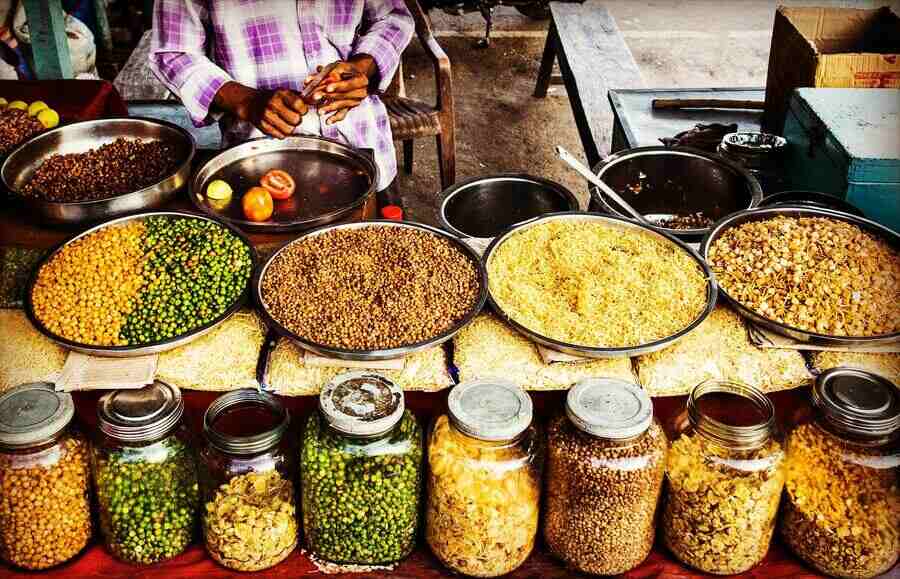
A cornerstone of these practices is the daily replenishment of ingredients. Fresh vegetables, meats, and spices are stocked each day, reducing the risk of spoilage and contamination. Many vendors source their supplies from trusted local markets, ensuring quality and freshness. This daily routine helps maintain the flavor and safety of dishes while preventing food-borne illnesses.
Clean Cooking Surfaces and Utensils
Cooking surfaces and utensils are another focus. Vendors often scrub pans, grills, and counters between cooking shifts, removing residue and bacteria buildup. Utensils such as spatulas, knives, and serving spoons are frequently cleaned or replaced during the day, especially when preparing different types of dishes. These steps, though simple, create a hygienic workspace despite the lack of formal kitchens.
Hand Hygiene and Food Handling
Hand hygiene is equally important. Many street food vendors use handwashing stations, sanitizers, or frequent wiping to keep their hands clean. Some wear gloves or use tongs to handle ready-to-eat items, reducing direct contact with food. These informal precautions are critical in high-traffic areas where large numbers of customers are served rapidly.
Safe Food Storage
Vendors also implement food storage practices adapted to outdoor conditions. Hot foods are kept at temperatures that discourage bacterial growth, while cold items are stored in insulated containers or ice boxes. Quick cooking and immediate serving further minimize the time food spends exposed to potentially harmful conditions.
Customer Awareness and Accountability
Public awareness and customer habits play a role as well. Regular customers learn which stalls consistently maintain cleanliness, creating a system of informal accountability. Vendors who maintain high hygiene standards often enjoy repeat business and a strong reputation, reinforcing safe practices over time.
Balancing Flavor and Safety
While Indian street food may appear spontaneous, these practical hygiene systems allow millions to enjoy flavorful meals safely every day. The combination of fresh ingredients, clean cooking areas, proper storage, and attentive handling demonstrates how informal structures can effectively support food safety in dynamic urban settings.