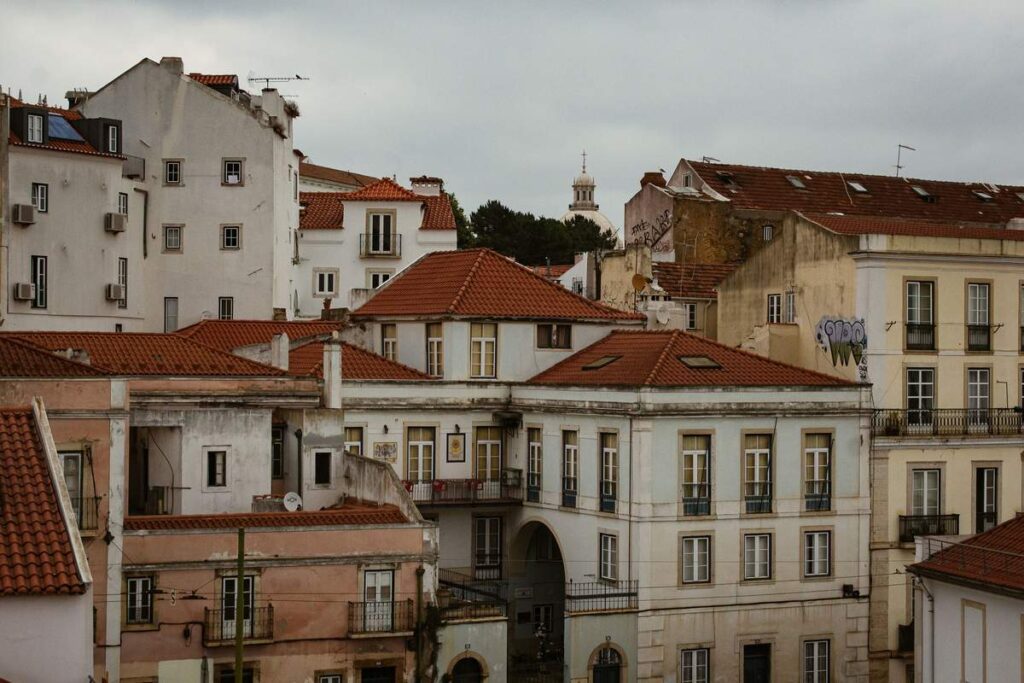
Photo: Oljamu / Pexels
On Saturday, 14 November 2026, thousands of people marched through Lisbon, Porto and dozens of other Portuguese cities behind one blunt slogan: “They will not steal our right to live here.” Their target was not a single landlord or developer, but a government bill that would make it easier and faster to evict tenants.
A bill that pours fuel on the fire
The draft law lets property owners regain rented homes more quickly. It also removes rent caps, allows landlords to ask for larger deposits and more rent in advance, and changes the rules for older rental contracts signed before 1990. The government’s argument is simple: give owners more freedom and more flats will come onto the rental market.
The protesters do not believe it. The housing-rights movement Casa Para Viver says the changes would leave tenants more exposed, not better housed. “We need homes to live in, not homes to speculate on,” Raquel Ferreira of the movement told local media in Porto. José Manuel Pureza, coordinator of the Left Bloc, said the size of the turnout showed what people wanted: the withdrawal of the draft law.
The numbers behind the anger
The statistics explain why this is no fringe complaint. According to EU data, house prices relative to incomes in Portugal rose by 60.8% between 2015 and 2025, the steepest increase in the EU and far ahead of the Netherlands in second place at 34.3%. Portugal’s National Statistics Institute reported in October that house prices rose by almost 20% in a single year, from early 2025 to early 2026. The government itself puts the rise in rents since 2020 at 68%.
Wages have not followed. The average salary is around €2,200 a month, and Casa Para Viver points out that more than half of workers earn less than €1,000. Meanwhile a one-bedroom flat in central Lisbon typically costs at least €1,100. A Deutsche Bank Research Institute comparison of 28 European cities found that Lisbon households keep only about €253 a month after paying rent, the lowest of all the cities studied. In Zurich, the figure was €9,140.
How a sunny success story turned sour
Portugal’s appeal is part of the problem. A tourism boom, a golden visa scheme for foreign investors and a warm welcome for digital nomads and foreign retirees all brought money into the country. Much of it went into property. Investment funds and foreign buyers snapped up buildings, including run-down ones, while many city-centre flats became short-term holiday rentals and vanished from the long-term market.
That is why the protesters’ demands go beyond rent. Casa Para Viver wants an end to golden visas, an end to incentives for digital nomads and an end to tax breaks for property funds, together with rent rules that link housing costs to what people actually earn.
What the government promises
The government is not denying the crisis. It has cut taxes on new builds, restricted short-term rentals and promised 145,000 new homes. It also admits that the effects will not be quick.
For a country that sold itself to the world as a place to live well, the message is uncomfortable. Saturday’s marches will not change the law on their own. But they made one thing very clear: in Portugal, a home has become the country’s most political address.
Photo: Oljamu / Pexels