France’s Bread Culture: More Than Just a Loaf
A Culinary Institution
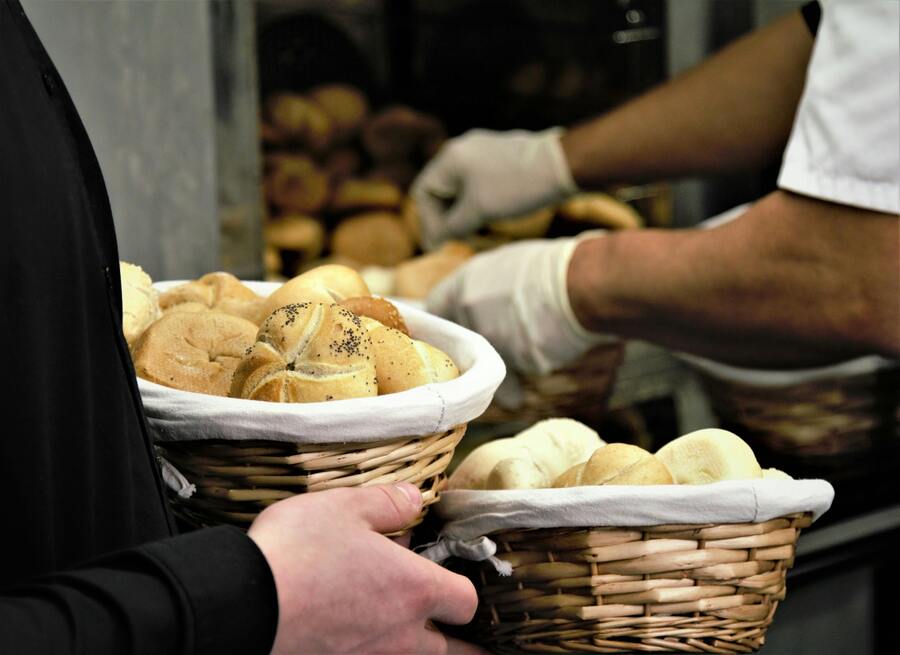
In France, bread isn’t just food it’s a cultural institution. Fresh, high-quality bread is considered essential to daily life, and both law and tradition work together to protect it. French bakeries, or boulangeries, are famous for their daily routines of multiple baking sessions, ensuring that customers can always access freshly baked loaves throughout the day.
The Traditional Baguette
A key factor in maintaining this standard is the strict definition of what can be called a “traditional baguette.” French law specifies ingredients, preparation methods, and even weight and length limits for baguettes labeled as traditional. This regulation preserves consistency and quality, ensuring that when you buy a baguette in Paris or Lyon, it meets precise expectations of taste, texture, and freshness.
Supporting Local Supply Chains
The frequent baking schedule also supports local supply chains. French grain producers, millers, and small-scale bakers rely on predictable demand to maintain production cycles. This interconnected system encourages sustainable practices, reduces reliance on long-distance transportation, and keeps money circulating within local communities. Artisanal bakers are able to source high-quality flours from regional mills, creating a loop that reinforces both economic and culinary traditions.
Shaping Daily Habits
Moreover, daily baking shapes social habits. Many French people buy bread multiple times a day, walking to their neighborhood bakery for the morning loaf or afternoon snack. This habit sustains small businesses and strengthens community bonds. Bakeries often act as local hubs where neighbors meet, chat, and share news making bread a centerpiece of both diet and culture.
Balancing Tradition and Modernity
France’s bread policies also reflect a balance between tradition and modern efficiency. While supermarkets sell packaged bread, legal and cultural emphasis on freshly baked, traditional baguettes ensures that industrial production doesn’t overshadow artisanal methods. This dual system keeps fresh bread widely available while maintaining opportunities for small-scale bakers to thrive.
A Daily Staple Preserved
Overall, France’s approach to bread combines culinary pride, legal standards, and thoughtful supply chain management. By baking multiple times a day, enforcing strict quality definitions, and supporting local grain networks, French bakeries ensure that bread remains a daily staple fresh, accessible, and culturally cherished.