Indonesia’s Subak System: Community and Water in Harmony
Rice Cultivation as Culture
In Indonesia, rice cultivation is not just agriculture it’s a centuries-old practice deeply intertwined with community, culture, and ecology. On the islands of Bali and Java, terraced rice fields rely on traditional irrigation networks called subak, which manage water distribution across villages efficiently, sustainably, and without modern machinery.
Cooperative Water Management
The subak system is a cooperative structure where farmers collectively oversee water allocation. Canals, tunnels, and dikes channel water from rivers or mountain springs to the terraced paddies below. Each farmer’s plot receives a fair share, ensuring that crops are nourished evenly and reducing disputes over water access. This communal management reflects both practicality and local social organization, blending engineering with social cohesion.
Regulating Flow and Soil Health
Water flow is carefully regulated to prevent flooding and soil erosion. Terraces are designed to slow the movement of water from one level to the next, allowing rice plants to absorb nutrients efficiently. Excess water can be diverted or stored, helping villages cope with heavy rains while maintaining consistent irrigation during drier periods. This balance ensures high productivity and crop resilience across seasons.
Ecological Sensitivity
Subak networks are also ecologically sensitive. By maintaining natural waterways and minimizing the need for pumps or mechanical irrigation, the system reduces energy use and preserves surrounding ecosystems. Fish, frogs, and other wildlife often inhabit canals and terraces, creating a small but vital habitat that complements agricultural productivity.
Cultural and Spiritual Integration
Culturally, subak is more than a technical system it is a reflection of community values and spiritual practices. Temples and rituals are integrated into irrigation schedules, honoring the balance between nature, water, and human activity. Farmers coordinate planting and harvesting cycles collectively, which not only supports the health of the rice crops but also strengthens village unity.
Enduring Wisdom
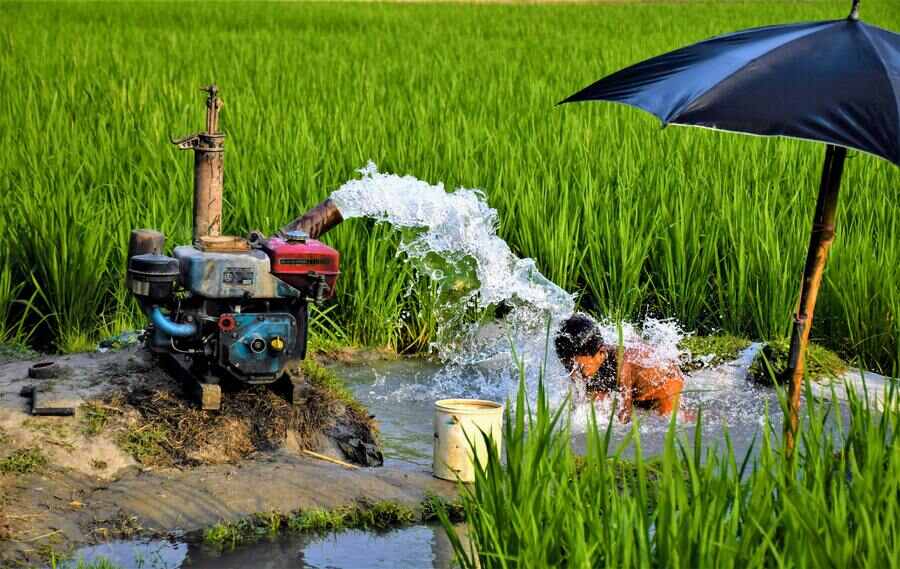
Despite centuries of use, subak continues to function effectively today, demonstrating the enduring wisdom of traditional practices. Modern interventions, like motorized pumps or chemical fertilizers, are sometimes integrated, but the foundational system relies on careful observation, cooperation, and water stewardship.
Lessons in Sustainable Agriculture
Indonesia’s subak systems show that sophisticated agricultural management doesn’t always require advanced technology. By combining engineering, ecological awareness, and community coordination, these networks sustain lush rice terraces, support food security, and preserve cultural heritage across generations.