Singapore’s Rooftop Urban Farms: Growing Green Above the City
When we say Singapore, space is precious. With limited land for traditional farming, the city-state has turned to the skies, installing rooftop urban farms on top of buildings, commercial complexes, and even schools. These elevated gardens grow fresh vegetables and herbs for local markets and restaurants, blending sustainability with innovative urban planning.
Maximizing Space with Smart Techniques
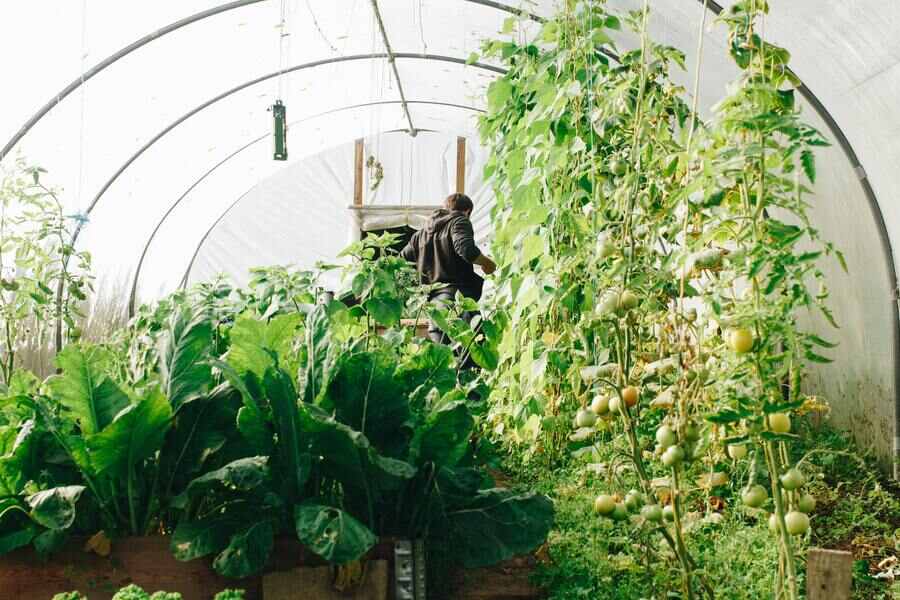
Rooftop farms in Singapore use techniques like hydroponics, vertical planting, and careful irrigation to maximize yields in small spaces. Lettuce, spinach, kale, and other leafy greens thrive under controlled conditions, while rooftop composting reduces waste and enriches the soil. The farms not only provide fresh produce but also help cool buildings, reduce rainwater runoff, and improve air quality.
Addressing Urban Challenges
This approach addresses multiple challenges at once. Urban residents get access to locally grown food, restaurants enjoy fresh ingredients, and the city reduces its reliance on imported produce. At the same time, rooftop farms create green spaces in an otherwise dense urban environment, offering a visual and environmental benefit to the community.
Education and Community Benefits
Singapore’s commitment to urban farming also extends to education. Many schools maintain small rooftop gardens where students learn about sustainable agriculture, nutrition, and environmental stewardship. Visitors can sometimes tour larger commercial farms, seeing firsthand how food can be grown efficiently without taking up ground-level land.
Innovation Meets Sustainability
These green rooftops exemplify Singapore’s innovative thinking: using vertical space to meet the city’s needs while supporting sustainability. It’s a clever solution that balances urban density with environmental responsibility, proving that even the smallest countries can lead in sustainable urban agriculture.