Meet the Axolotl: The Smiling Salamander That Can Regrow Body Parts
Imagine losing a finger and simply growing a new one. Sounds like a superhero power, right? Well, meet the axolotl, a Mexican aquatic animal that looks like it’s permanently smiling and possesses a biological talent that would make Wolverine seriously jealous!
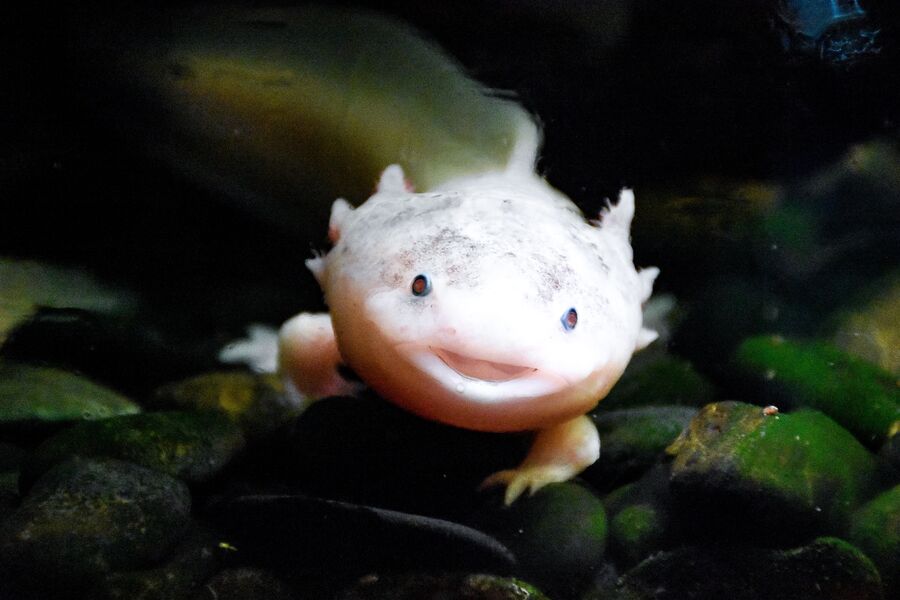
With its tiny legs, fluffy external gills, and wide little mouth, the axolotl looks like a Pokémon that accidentally wandered into a science laboratory. But beneath that adorable face lies one of nature’s most fascinating creatures.
The Animal That Refuses to Grow Up
Native to Mexico, the axolotl is a type of salamander famous for remaining in its aquatic, juvenile-looking form throughout adulthood. Its feathery gills stick out from the sides of its head like a fancy underwater hairstyle that never needs a salon appointment.
Unlike most salamanders, which eventually undergo metamorphosis and develop into more land-adapted adults, axolotls usually retain their aquatic features for their entire lives.
Their natural home is the lake and canal system of Xochimilco, near Mexico City. They spend their days swimming, searching for small prey, and occasionally looking so cheerful that people wonder whether they know a secret the rest of us don’t.
Regeneration: Nature’s Incredible Repair Kit
The axolotl’s most extraordinary ability is regeneration. It can regrow lost limbs, including parts of its legs and tail, and repair certain damaged tissues. Scientists are also studying how it can regenerate parts of its spinal cord and repair heart tissue.
Even more fascinating, axolotls can restore complex structures with surprisingly little scarring compared with many other animals.
Researchers hope that understanding the biological signals behind these abilities could eventually help medicine develop better approaches to tissue repair and healing in humans.
Unfortunately, humans cannot simply grow back a missing arm after an accident. So, for now, please don’t attempt any experiments inspired by your favorite superhero!
A Cute Face With a Serious Problem
Despite their popularity in aquariums and online videos, wild axolotls face a difficult future. Pollution, habitat loss, invasive species, and changes to the waterways around Mexico City have contributed to their decline.
The International Union for Conservation of Nature lists the axolotl as critically endangered in the wild. Conservation efforts focus on improving water quality, restoring habitat, and supporting local projects that help protect the remaining populations.
The irony is remarkable: an animal famous for repairing its own body cannot repair an entire damaged ecosystem by itself.
Protecting Mexico’s Smiling Superstar
Axolotls are more than cute faces and impressive biology. They are an important part of Mexico’s natural heritage and may help scientists answer some of medicine’s biggest questions.
Protecting their wetlands means preserving a unique animal and the environment it depends on.
So, the next time you see an axolotl smiling from a photograph, remember that its cheerful expression hides a serious challenge. This little salamander may be a regeneration champion, but it still needs humans to give its wild home a fighting chance.
And honestly, the world could use more smiling creatures and fewer disappearing ones!