Madagascar: Where Nature Went Completely Off Script
Imagine an island where lemurs leap through the trees, chameleons seem to have mastered the art of disappearing, and plants look like they were designed by someone who had never seen a normal tree before.
Welcome to Madagascar.
Located off the southeastern coast of Africa, Madagascar is one of the most biologically unusual places on Earth. Because the island has been isolated for millions of years, many of its plants and animals evolved in ways that are found nowhere else.
Lemurs, Chameleons, and Other Oddities
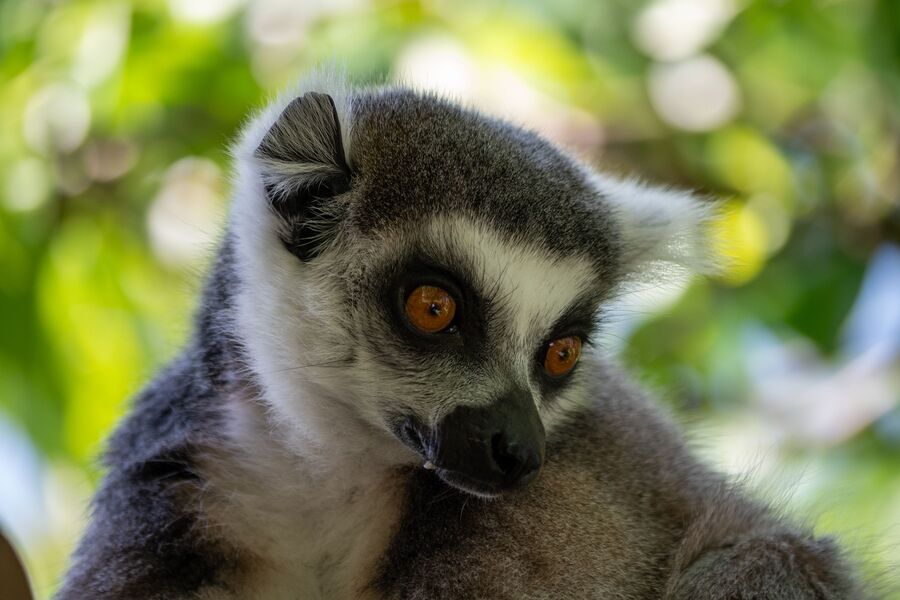
The biggest celebrities are, of course, the lemurs. These curious primates come in many shapes, sizes, and personalities. Some have enormous eyes, others have striking markings, and all of them seem perfectly comfortable behaving as though they own the forest.
Then there are the chameleons. Madagascar is famous for its incredible diversity of these reptiles, including species that are tiny enough to fit on a fingertip. Their ability to change color, climb, and swivel their eyes independently makes them look like nature’s answer to a science-fiction character.
The island’s plant life is just as extraordinary. The famous baobab trees can grow with enormous trunks and strange, almost upside-down-looking branches. Madagascar’s forests, wetlands, dry regions, and coastal ecosystems create homes for an extraordinary variety of species.
Protecting a Unique Natural World
But this incredible biodiversity also faces serious challenges. Habitat loss, deforestation, climate pressures, and other human activities threaten many of the island’s unique species and ecosystems. Conservation efforts therefore play a crucial role in protecting Madagascar’s natural heritage.
National parks and protected areas help preserve important habitats while also giving researchers and visitors opportunities to experience the island’s remarkable wildlife. Ecotourism can provide income for local communities and create stronger incentives to protect natural areas.
What makes Madagascar so fascinating is not simply that it has unusual animals. It is the sheer number of species that evolved independently after the island became isolated.
It is almost as if evolution looked at Madagascar and said, “Let’s try something completely different.”
And it certainly did.
From dancing lemurs to giant baobabs and tiny chameleons, Madagascar reminds us that nature doesn’t follow one standard design.
Sometimes, the best results happen when nature decides to go completely off script.