Japan’s Empty Houses Are Becoming a National Concern
Imagine owning a house that nobody lives in, nobody maintains, and possibly nobody even remembers exists. In Japan, this is becoming a serious issue. These abandoned or rarely used homes are known as akiya, and their growing number is creating challenges for communities across the country.
Why Are So Many Houses Empty?
One major reason is Japan’s aging and declining population. As older residents pass away or move into care, their homes may be left behind. Younger people often move to larger cities for work, leaving smaller towns with fewer residents and more empty properties. Some houses are also difficult to inherit, renovate, or sell, especially when ownership records are unclear.
When a House Becomes a Headache
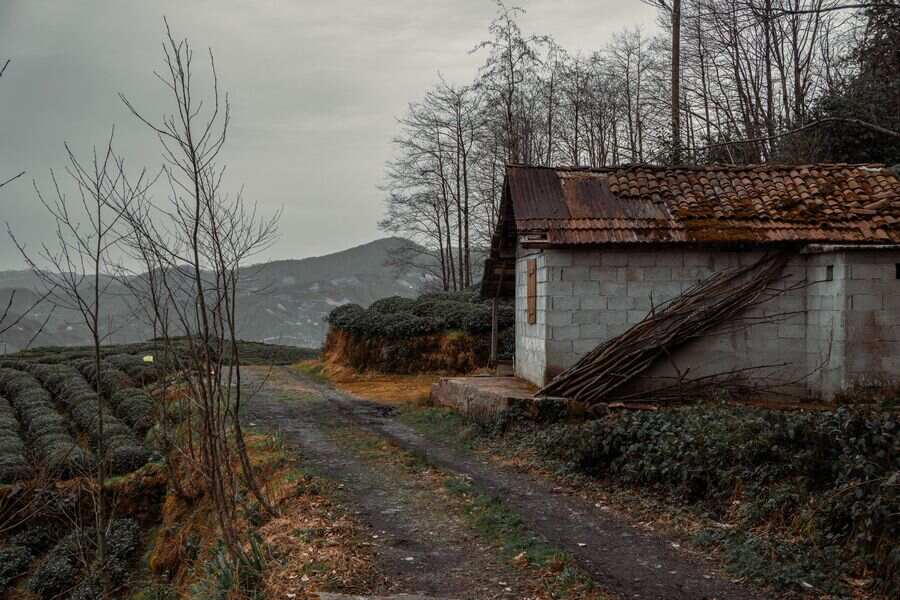
An empty house may sound like a free vacation home, but it can quickly become a maintenance nightmare. Roofs deteriorate, gardens turn wild, and broken windows invite weather, pests, and unwanted visitors. In some cases, neglected buildings can become safety hazards or reduce the appeal of nearby neighborhoods.
Could Akiya Become an Opportunity?
Interestingly, some empty homes are being offered at very low prices, and occasionally even for free. That sounds like a dream until you discover the renovation costs. A house may be cheap, but repairing the roof, plumbing, electricity, and earthquake resistance can turn the bargain into a serious financial project.
What Is Japan Doing About It?
Local governments are creating akiya banks, renovation programs, and incentives to attract new residents. Some empty houses are being converted into guesthouses, cafés, offices, or community spaces. These efforts can help revive rural areas while preserving buildings that might otherwise disappear.
Japan’s empty-house problem is a reminder that a home is more than walls and a roof. It needs people, care, and a reason to stay alive. Otherwise, even the most charming house can end up waiting patiently for a resident who may never arrive.