Why Do Swiss Cows Wear Giant Bells?
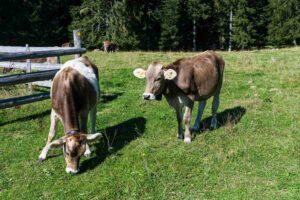
Imagine relaxing in the Swiss Alps when suddenly you hear a loud CLANG, CLANG, CLANG! No, it’s not a marching band practicing behind a mountain. It’s probably a cow walking toward lunch while wearing what sounds like a tiny church bell around its neck!
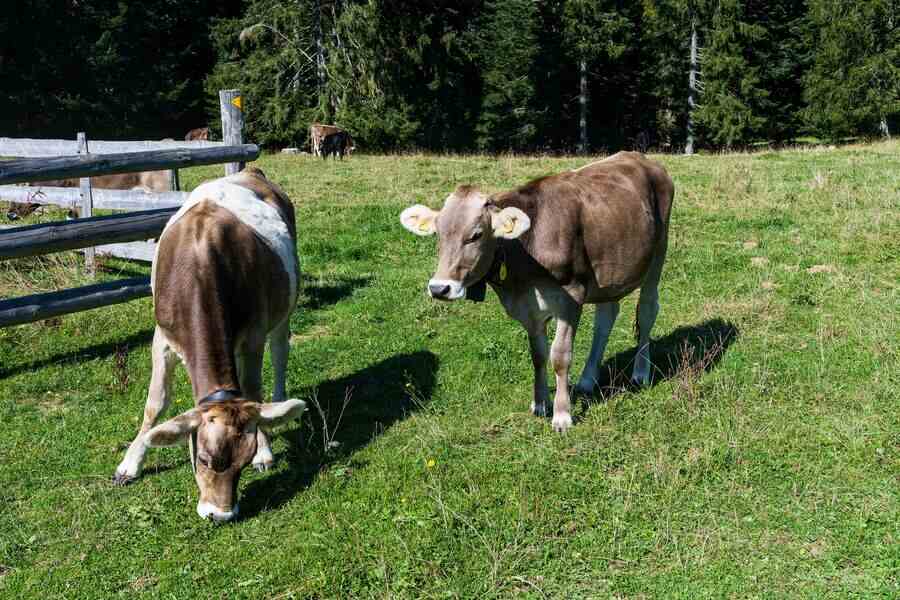
In Switzerland, cows wearing large bells are a familiar sight in alpine pastures. But why do these animals need such noisy accessories? Is it fashion? A secret cow orchestra? Or are Swiss farmers simply determined to make sure nobody sleeps in?
The Real Reason Behind the Ringing
The main reason cows wear bells is surprisingly practical: the sound helps farmers locate their animals.
Swiss cows often graze on large mountain pastures where grass grows across hillsides, valleys, and uneven terrain. With trees, rocks, and rolling slopes blocking the view, finding every cow can become a challenging game of hide-and-seek.
A ringing bell gives farmers an audible clue about where their animals are. Even when a cow disappears behind a hill or wanders into a patch of tall grass, its bell may reveal its location.
Think of it as a traditional GPS system—except instead of satellite signals and smartphone batteries, it runs on cow movement and a whole lot of moo-sic.
Are the Bells Just for Show?
Not entirely! Bells also have cultural significance in Switzerland. They are closely associated with alpine farming traditions and seasonal cattle movements.
One famous tradition is the Alpabzug, when cattle return from their summer mountain pastures to villages in autumn. In many regions, farmers decorate their animals with flowers, colorful straps, and impressive bells for the occasion.
The result is a spectacular parade of cows, farmers, and ringing bells that celebrates the end of the alpine grazing season.
Some bells are beautifully crafted and can be expensive, making them symbols of regional identity and traditional craftsmanship. For certain celebrations, the biggest bell becomes almost as important as the cow wearing it.
Imagine being a cow and discovering that your necklace costs more than your owner’s favorite watch!
Do the Cows Actually Like Them?
That’s a little harder to answer. Bells can help farmers, but research has raised concerns about the effects of loud, continuously worn bells on cattle. Depending on the bell’s weight and sound level, they may cause discomfort or affect hearing.
Farmers and animal-welfare researchers therefore have good reasons to consider bell size, weight, and how long animals wear them.
After all, just because a cow looks fabulous doesn’t mean it wants to attend a rock concert all day.
Switzerland’s Noisiest Tradition
Swiss cowbells are much more than countryside decoration. They help farmers monitor grazing cattle and preserve traditions that have shaped alpine life for generations.
So, the next time you hear a mysterious ringing sound echoing through a Swiss valley, listen carefully. It might not be a church, a bicycle, or a distant marching band.
It could simply be a cow announcing, very loudly, that it has found an excellent patch of grass and everyone within half a kilometer is invited to know about it!