Brazil’s Elevator Operators: A Human Touch in Urban Life
A Surprising Tradition
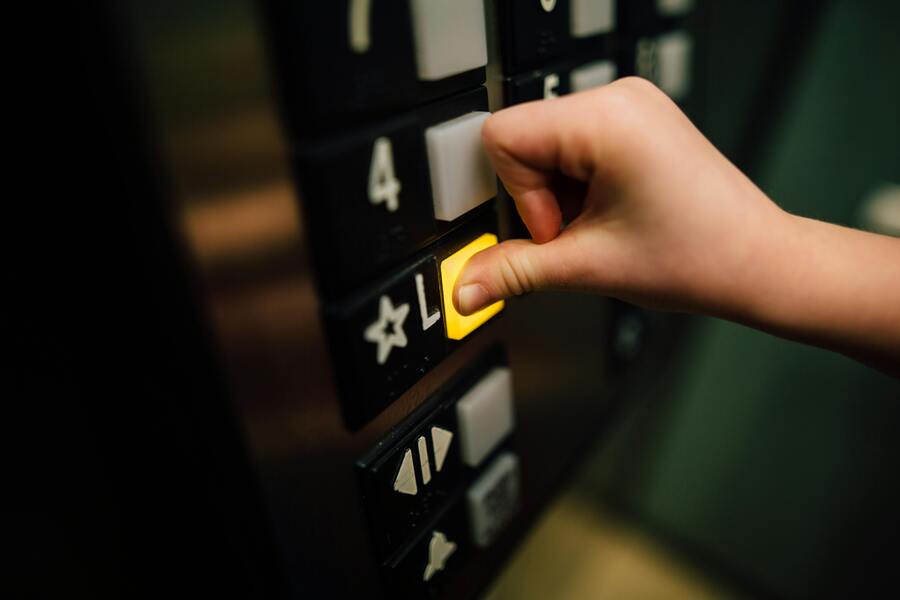
While most countries have fully automated elevators, in Brazil, especially in older buildings, you may still encounter elevators operated by staff. These elevator operators handle tasks like pressing floor buttons, controlling the door, and ensuring a smooth ride. For many locals and visitors, this may seem unusual, but it remains a valued part of daily life in certain areas.
Historical Roots
The practice started in an era when elevator technology required constant human management. Operators were responsible not just for pressing buttons, but also for monitoring safety and assisting passengers. While modern systems no longer need this, some buildings preserve the tradition, both for convenience and as a nod to history.
A Social Element
Having an operator also adds a social element to what is otherwise a brief, impersonal moment. Passengers often exchange greetings, ask questions, or even receive helpful tips about the building from these staff members. This small interaction transforms a simple ride into a personal experience, something that is largely absent in many modern cities worldwide.
Assistance for All
In addition, elevator operators can be especially helpful for visitors or older residents who may need assistance navigating multi-floor buildings. They ensure that everyone can ride comfortably, safely, and without confusion.
A Fading but Charming Role
While the role is slowly fading as older buildings are modernized, it remains a charming aspect of Brazilian city life. Many locals appreciate the human touch it adds, maintaining a link to a past when personal service was an everyday part of urban living.
Culture, Tradition, and Practicality
Brazil’s elevator operators highlight how culture, tradition, and practicality can come together in unexpected ways, preserving small but meaningful human interactions in an increasingly automated world.